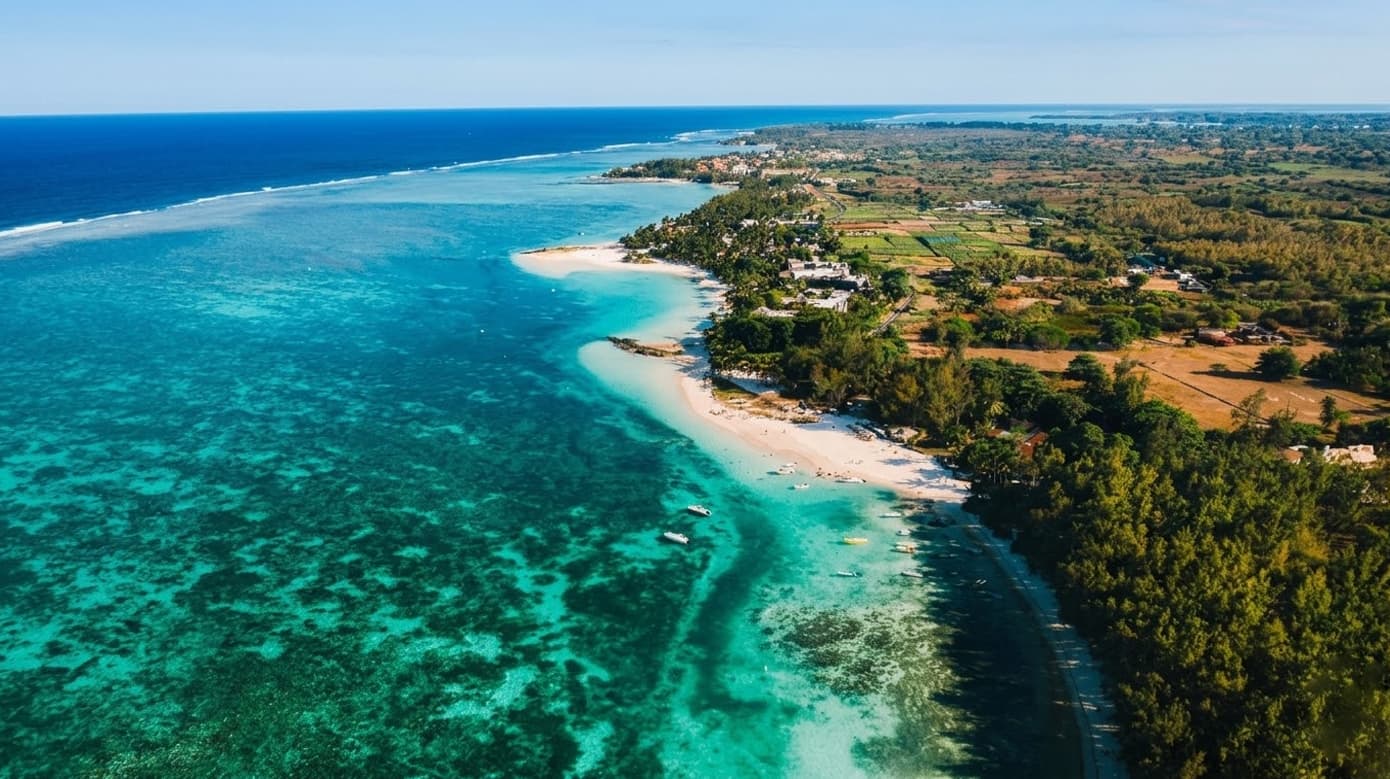

Buying Property in the South of Mauritius
A focused look at buying property in the south of Mauritius, including Bel Ombre, protected landscapes, daily life, schools and the realities of a lower-density coastal setting.

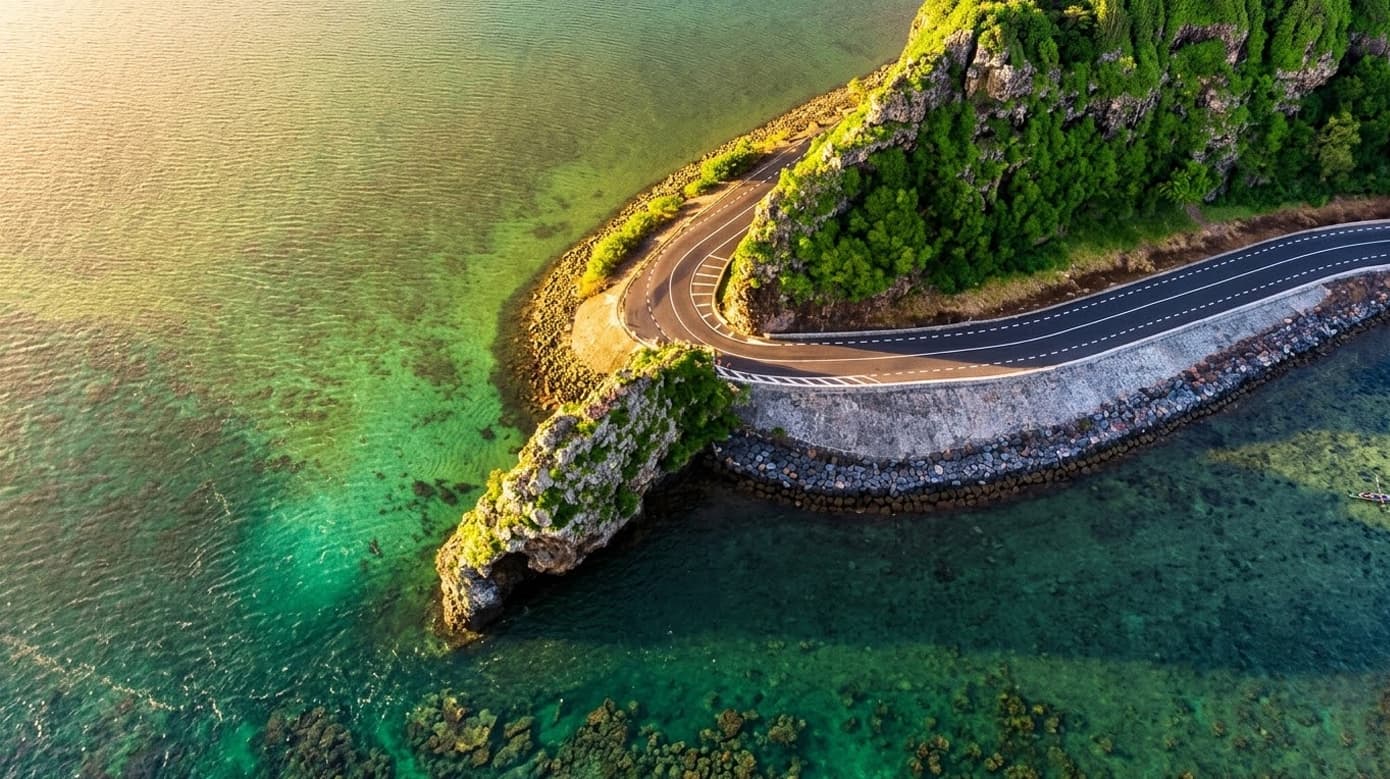
Buying property in the south of Mauritius means considering a very different coastal setting, where the Wild South offers long-term residence in a landscape shaped more by nature than by development. With its dramatic cliffs, open ocean and protected landscapes, this part of the island appeals to buyers seeking space, character and a slower rhythm of life.
For buyers who value privacy, natural beauty and long-term living over rental returns, the Wild South can be a compelling choice. But daily life here needs to be understood clearly before making the move.
Where the Wild South Is
The Wild South is a commonly used name for the southern and south-western coastline of Mauritius, generally taking in Souillac, Gris Gris, Riambel, Bel Ombre and Baie du Cap, extending towards the Macondé viewpoint. It is not an official administrative boundary, but a practical description of a coastline with a very distinct character.
This region is defined by direct ocean exposure, lower density and environmental protections that limit large-scale development. It differs clearly from the lagoon-based south-east around Mahebourg, Blue Bay and Pointe d’Esny.
The Coastline and Sea Conditions
Unlike the calm lagoons of the east and north, the Wild South faces the open Indian Ocean, and that shapes daily life here.
The coastline is defined by stronger swells and currents, dramatic cliff formations, rocky shorelines and fewer conventional swimming beaches than the north, west or east. Gris Gris is one of the clearest examples of this exposed coastal character, and swimming there is widely discouraged because of the currents. Further along, the Macondé viewpoint remains one of the island’s most striking coastal drives.
This is a region for buyers who prioritise views, protected landscapes and a more dramatic natural setting over easy lagoon access.
Climate in the South of Mauritius
The south of Mauritius is more exposed to trade winds and seasonal variation than the island’s more sheltered coasts.
Winter conditions are generally felt from May to October, with cooler temperatures especially from June to September and stronger trade winds during the season. Outdoor comfort changes noticeably through the year, and buyers should consider wind exposure when assessing a property’s position and design.
For those who appreciate fresher air and a more exposed coastal setting, this is part of the area’s appeal. For those expecting year-round calm beach weather, the south may require adjustment.
Protected Landscapes and Development Limits
This region has no dense neighbourhoods, no continuous beachfront developments and no commercial or residential hubs comparable to Grand Baie, Tamarin or the Central Plateau towns.
Large parts of the southern hinterland fall within protected or carefully managed natural areas. The Black River Gorges-Bel Ombre Biosphere Reserve is part of UNESCO’s Man and the Biosphere Programme, was nominated in 1977 and covers 8,582 hectares. This helps explain why development intensity in the deep south remains limited and carefully managed. Agricultural land, erosion exposure and coastal setback rules also constrain what can be built near the shoreline.
Properties are scattered, often separated by agricultural land, nature reserves or undeveloped coastline. Planning restrictions, ocean exposure and environmental protections all limit the type of development possible here.
The Wild South functions more as a lifestyle market than a conventional high-turnover property market. Buyers will mainly find standalone houses, larger plots and a limited number of managed developments, with values driven more by setting, views and land size than by rental yield.
Leisure in the Wild South
The Wild South offers a broader lifestyle layer, especially around Bel Ombre, where resort infrastructure and protected nature overlap.
Bel Ombre Nature Reserve adds guided treks, 4x4 safaris, and quad or buggy experiences through valleys, waterfalls and forested terrain.
Heritage Golf Club strengthens the area’s appeal with Le Château Golf Course and La Réserve Golf Links, which officially opened for play in December 2023.
For everyday local flavour, Souillac remains the most grounded nearby town, with small shops and a more traditional Mauritian rhythm.
Bel Ombre as the South’s Most Established Residential Base
Bel Ombre acts as a transition zone between the deep south’s raw coastline and the more service-rich west coast. It still feels nature-led and low-density, but the presence of established estates and resort infrastructure creates a more structured day-to-day framework than you will find further south.
For non-citizens, Bel Ombre is also one of the clearer areas to focus on because approved residential options are concentrated within managed environments, subject to scheme eligibility and availability.
Golf, dining and resort amenities help create a daily rhythm that balances seclusion with convenience. For buyers seeking southern coastal living with easier access to services, Bel Ombre is often the natural starting point.
However, it still requires a car for most needs and does not function as a full town or service hub. Bel Ombre suits those who value privacy and nature but want a more managed framework around them.
Daily Life in the Wild South
Living in the Wild South means embracing a quieter rhythm, with services and amenities spread across a wider area.
Small local shops cover everyday needs, while dining is centred on local establishments and resort restaurants. Healthcare access is more limited locally than on the west coast or central plateau, so many residents plan specialist care further inland. A car is essential.
This suits buyers who value space, privacy and natural surroundings over walkable convenience. It is less suitable for those who prefer urban proximity or rely on extensive local services.
Schools and Family Logistics
For many years, the south of Mauritius had limited private international schooling options. Savannah International School in Gros Bois has improved local access for younger children, but schooling remains one of the practical factors buyers need to assess carefully. Depending on where parents work and which curriculum or age range they need, families often look either to the west coast or the central plateau.
Local option in the south
Savannah International School in Gros Bois gives the south a genuine local option for younger children, especially for families seeking to reduce daily travel in the earlier school years.
West Coast school corridor
Many families still look west, particularly when daily routines are already oriented towards Tamarin, Black River or Cascavelle. This corridor offers both English-medium and French-curriculum options.
Central Plateau school corridor
The central plateau remains relevant for families whose workdays already pull them inland towards Moka, Ebène, Floréal, Curepipe or St Pierre.
For buyers with children, the key issue is how schooling fits the household’s wider routine. Savannah improves local practicality for younger children, but many families still rely on the west coast or central plateau depending on curriculum, age group and where parents work.
Is the Wild South Right for You
The Wild South attracts a specific buyer profile, and understanding that helps clarify whether the region suits your plans.
It tends to appeal most to second-home owners, retirees, semi-retired expatriates and long-term residents seeking privacy, space and a slower rhythm of life. It is less naturally suited to buyers focused on rental performance, short resale timelines or highly convenience-led family routines.
Settling here is usually a long-term personal decision rather than a short-term investment play.
If you are still weighing the south against other regions, our comparison of the best areas to buy property in Mauritius gives the island’s main lifestyle zones in one place.
Frequently Asked Questions
What is the Wild South of Mauritius?
The Wild South refers to the southern and south-western coastline, including Souillac, Gris Gris, Riambel, Bel Ombre and Baie du Cap. It is known for open-ocean exposure, lower density and protected landscapes.
Are there international schools in south Mauritius?
Savannah International School in Gros Bois provides pre-primary and primary education in the south. For secondary schooling and wider curriculum options, families often look to the west coast or central plateau.
Is the Wild South of Mauritius good for families?
It can suit families who prioritise space, nature and privacy, but it is less convenient than the west, north or central plateau for daily family logistics.
What is daily life like in south Mauritius?
Daily life is quieter, more car-dependent and more home-based than in the island’s busier coastal areas.
Can you swim at Wild South beaches in Mauritius?
The coastline is more exposed than the north or east, with stronger currents and fewer sheltered swimming spots. At places such as Gris Gris, swimming is widely discouraged.
Is Bel Ombre Mauritius good for expats?
Bel Ombre is the most structured part of the Wild South, with managed residential options and resort amenities. For non-citizens, access still depends on the property being eligible under an approved scheme.
What property types are available in south Mauritius?
Residential stock is mainly made up of standalone houses, larger plots and a limited number of managed developments. Apartments remain relatively rare.
What is there to do in the Wild South of Mauritius?
The main lifestyle draws include Bel Ombre Nature Reserve, golf at Heritage Golf Club, dramatic coastal scenery and a more local rhythm around Souillac.
Considering buying property in the south of Mauritius?
Explore available properties and speak with our team about what living in this part of the island really involves.
Explore our properties | Contact us
Sources
The information in this article is provided for general guidance only and does not constitute legal, financial or investment advice. Details regarding schools, drive times and services are indicative and subject to change. Prospective residents should verify all information independently and seek professional advice suited to their individual circumstances.
About the Author